

Sources of Food Flavorings?
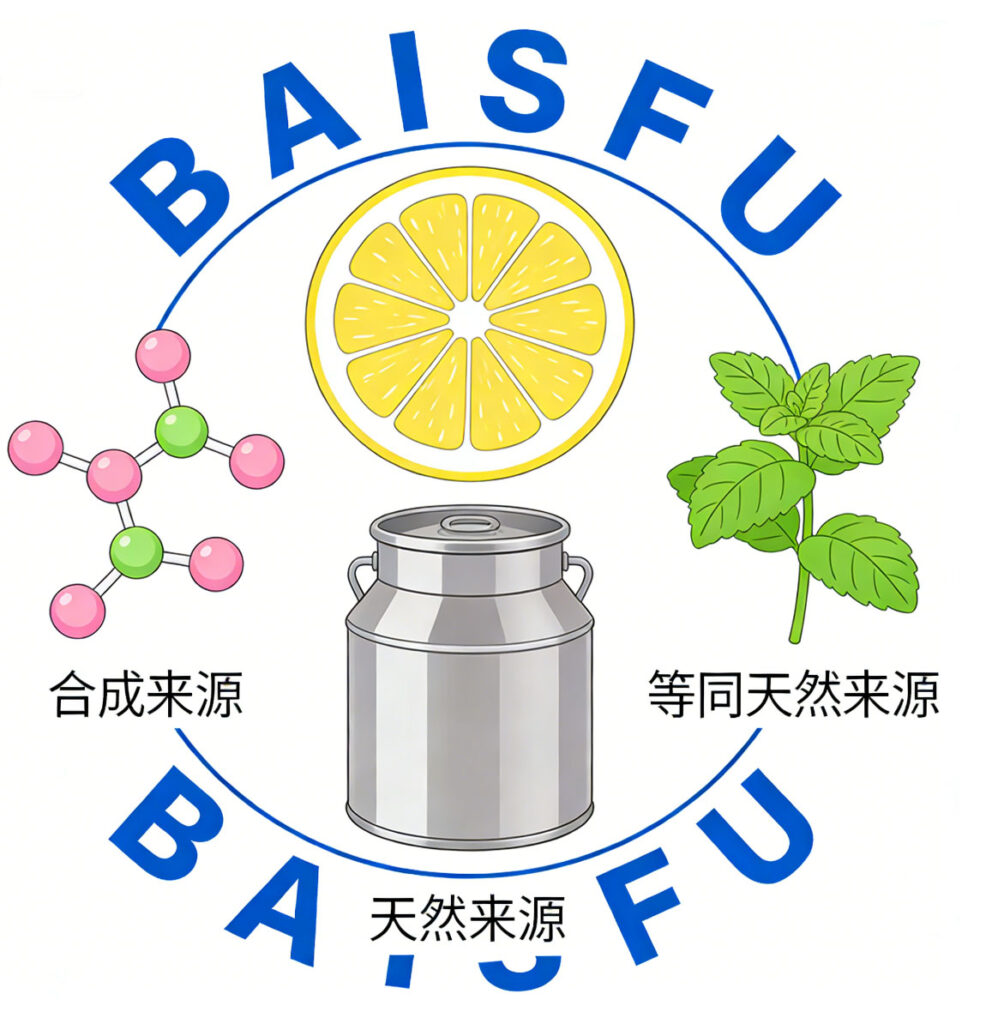
Food flavorings primarily come from three main categories, encompassing natural extraction, artificial synthesis, and a combination of both processes, as follows:
Naturally Derived Food Flavorings
These flavorings are directly extracted from natural animal and plant raw materials. They are highly safe and widely used in the food industry.
Plant-based sources: Aromatic components are extracted from raw materials such as fruits (e.g., citrus, strawberries), vegetables (e.g., onions, garlic), herbs (e.g., mint, basil), and spices (e.g., cinnamon, cloves) through processes such as pressing, distillation, and extraction.
Animal-based sources: Relatively less common, such as extracting dairy flavor components from cream, or specific aromatic components from beaver castoreum (mostly used in high-end flavor formulations).
Nature-Identical Food Flavorings
The chemical structure of these flavorings is identical to that of natural flavorings, but they are not produced through direct extraction, but rather through chemical synthesis or biological fermentation.
For example, ethyl lactate produced by fermentation has the same molecular structure as ethyl lactate naturally found in fruits and can be used as a food flavoring.
Artificially Synthesized Food Flavorings
The components of these flavorings do not exist in nature and are prepared through chemical synthesis processes, capable of simulating specific aromas.
For example, some special fruit and floral flavors used in candies and beverages have components that are artificially synthesized. These must comply with national food safety standards to be legally used.