

What Is SOD Enzyme?
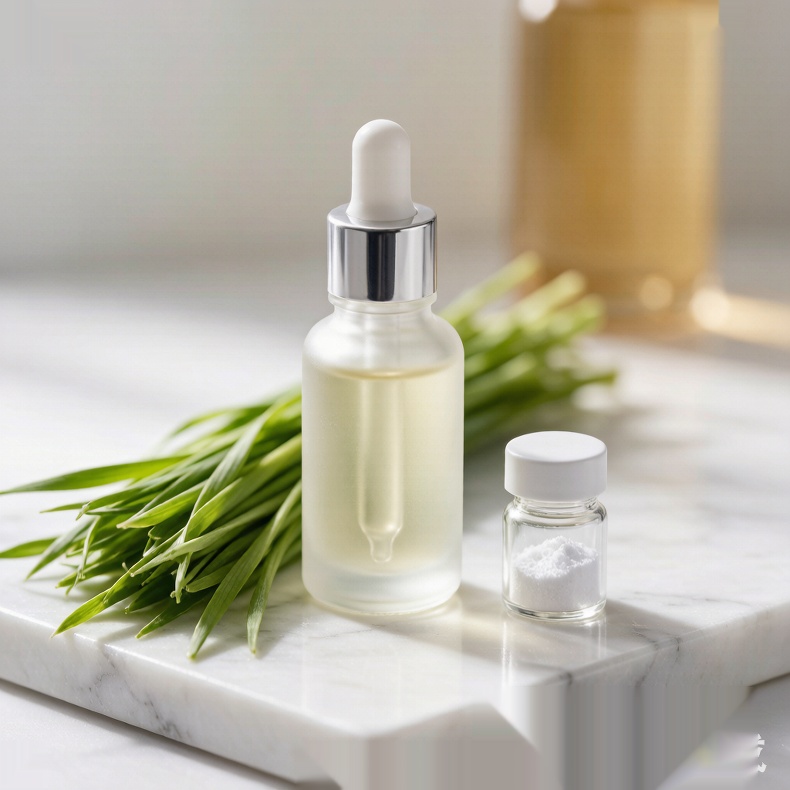
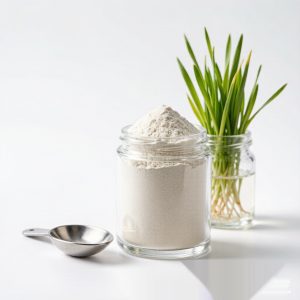
We supply premium Superoxide Dismutase (CAS 9054-89-1), a powerful antioxidant metalloenzyme naturally derived from high-quality botanical sources. To preserve its complete bioactivity, we extract this active ingredient via gentle, low-temperature processing methods. As a core biological catalyst, SOD enzyme specifically targets superoxide anion radicals, which are recognized as one of the most harmful reactive oxygen species during human cellular metabolism.
Furthermore, our plant-derived SOD enzyme features outstanding catalytic activity. It rapidly and specifically converts harmful superoxide radicals into harmless molecular oxygen and hydrogen peroxide. In particular, its reaction speed nearly reaches the diffusion limit at 2 x 10^9 M^-1s^-1, delivering far more efficient antioxidant effects than ordinary antioxidant ingredients.
Therefore, industrial manufacturers widely adopt this ingredient for its proven free radical neutralizing performance. It effectively protects cellular integrity and delays internal and external skin aging signs. In addition, our SOD enzyme is completely animal-free, GMO-free and free of synthetic preservatives, fully meeting clean-label, vegan and sustainable production standards.
Moreover, every finished batch undergoes strict multi-index testing to verify accurate enzymatic activity, microbial safety and heavy metal compliance. Meanwhile, our SOD powder boasts excellent water solubility and emulsion compatibility, maintaining stable activity under standard storage conditions. For this reason, it serves as a highly versatile active material for cosmetics, supplements and functional foods.
Technical Specifications
|
Parameter
|
Specification
|
|---|---|
|
Product Name
|
Superoxide Dismutase (SOD)
|
|
Enzyme Commission Number
|
EC 1.15.1.1
|
|
CAS Registry Number
|
9054-89-1
|
|
Botanical Source
|
Triticum aestivum (wheat sprout) / Cucumis melo (melon)
|
|
Enzyme Classification
|
Cu/Zn-SOD (Copper-Zinc Superoxide Dismutase)
|
|
Appearance
|
White to pale blue-gray fine powder
|
|
Odor
|
Characteristic, mild
|
|
Molecular Weight
|
~32,500 Da (Cu/Zn-SOD dimer)
|
|
Specific Activity
|
2,000 — 6,000 units/mg protein
|
|
pH Optimum
|
7.0 — 9.0
|
|
pH Stability
|
Stable at pH 7.6 — 9.0; unstable below pH 6.0
|
|
Water Solubility
|
≥20 mg/mL, fully soluble in phosphate buffer (pH 7.8)
|
|
Purity (SDS-PAGE)
|
≥ 95%
|
|
Metal Cofactors
|
Copper (Cu²⁺) and Zinc (Zn²⁺)
|
|
Moisture Content
|
≤ 5.0%
|
|
Heavy Metals (as Pb)
|
≤ 10 mg/kg
|
|
Total Plate Count
|
≤ 1,000 CFU/g
|
|
Yeast & Mold
|
≤ 100 CFU/g
|
|
E. coli / Salmonella
|
Negative / 25g
|
|
Storage Temperature
|
-20°C (long-term); 2-8°C (short-term stock)
|
|
Shelf Life
|
24 months under recommended storage conditions
|
Natural Plant Source of SOD Enzyme
Wheatgrass Sprouts (Primary Raw Material)
We mainly source raw materials from organically cultivated young wheatgrass sprouts (Triticum aestivum L.), which are one of the richest natural sources of Cu/Zn-SOD. Notably, this copper-zinc enzyme isoform is also synthesized endogenously in human cells to defend against oxidative stress.
To ensure maximum activity, we harvest wheatgrass at 7–10 days after germination, when chlorophyll content and enzymatic activity reach peak levels. Meanwhile, this precise harvesting window effectively reduces protease degradation, thus retaining high-concentration active SOD in raw plant biomass.
Melon Fruit (Complementary Source)
For customized high-grade products, we also adopt fully ripened Cucumis melo (cantaloupe) as a supplementary raw material. Since melons naturally accumulate abundant SOD to resist strong sunlight oxidation, they provide pure and stable enzyme resources. Furthermore, melon-derived SOD possesses unique formulation adaptability for specific industrial applications.
Gentle Cold Extraction Technology
We adopt full aqueous extraction and low-temperature purification, completely avoiding organic solvents, strong acids and high-temperature denaturation. As a result, the enzyme retains its complete native structure and metal cofactor coordination. Ultimately, our finished SOD powder maintains original biological catalytic activity without any chemical modification.
SOD Enzyme Industrial Applications
Anti-Aging Skincare & Cosmeceuticals
SOD enzyme serves as a core antioxidant active ingredient for high-end anti-aging cosmetics. Specifically, it directly scavenges superoxide radicals that cause collagen loss, elastin damage and abnormal melanin production. Therefore, it effectively improves both photoaging and chronological skin aging problems.
It is widely added in serums, face creams, eye care products and sheet masks. In addition, liposomal encapsulation technology can further enhance skin absorption and bioavailability. Consistent use reduces fine lines, improves skin firmness, and relieves UV-induced redness and pigmentation. Moreover, it synergizes with glutathione and catalase to strengthen the skin’s natural antioxidant defense system.
Recommended dosage: 0.1%-1.0% for leave-on products; 0.05%-0.5% for rinse-off skincare formulas.
Dietary Supplements & Nutraceuticals
Supplement manufacturers commonly formulate SOD enzyme into capsules, effervescent tablets and functional powder mixes for antioxidant and anti-aging support. Different from conventional one-to-one neutralizing antioxidants like vitamin C and E, SOD acts as a high-efficiency catalyst.
A single SOD molecule can complete thousands of free radical scavenging cycles before deactivation. For this reason, it provides long-lasting antioxidant effects in the human body. Furthermore, oral SOD supplementation helps relieve oxidative stress caused by exercise, inflammation and aging, thereby protecting cardiovascular health and improving body metabolism.
Functional Foods & Beverages
Due to its clean-label, vegan and GRAS-certified plant source, SOD enzyme is ideal for antioxidant functional food and beverage production. It is widely used in wellness shots, functional tea drinks, protein powders and nutritional bars.
Meanwhile, microencapsulation and cold-fill processing technologies protect enzyme activity during production and shelf storage. Accordingly, finished food products can deliver real antioxidant benefits instead of simple label promotion.
Pharmaceutical & Medical Research Applications
In the pharmaceutical field, SOD enzyme is extensively studied for oxidative-related disease adjuvant treatment. It shows positive effects on improving ischemia-reperfusion injury, intestinal inflammation, radiation-induced tissue damage and neurodegenerative oxidative lesions.
In addition, ongoing clinical research proves its potential value in improving arthritis symptoms and chemotherapy-induced oral damage. Our GMP-grade SOD powder provides stable, traceable raw material support for medical research and drug development.
Quality Assurance & Certifications
We implement a full-process quality management system covering raw material screening, enzyme extraction, purification and finished product release. Every batch undergoes professional activity testing via pyrogallol autoxidation or cytochrome c reduction methods to ensure accurate enzyme potency. Meanwhile, third-party institutions including Eurofins and SGS verify microbial and heavy metal safety.
Our authoritative certifications include:
-
ISO 9001:2015 Quality Management System
-
ISO 22000 & HACCP Food Safety System
-
GMP Production Certification
-
KOSHER, HALAL, Vegan & Gluten-Free Certification
-
Non-GMO Verified
Packaging & Global Logistics
Flexible Packaging Solutions
We provide multi-specification packaging to match different order demands:
-
100g / 500g / 1kg foil bags: for laboratory testing and small-batch trials
-
5kg / 25kg vacuum packaging: for formal industrial bulk production
-
Custom private label OEM packaging: available on request
Cold-Chain Global Shipping
Since SOD enzyme is temperature-sensitive, we adopt professional cold-chain shipping via DHL Medical Express and FedEx Cold Chain. For stable-grade products, we also support standard air and sea freight. In addition, we provide complete export documents including COA, MSDS and certificate of origin to ensure smooth customs clearance. In-stock orders ship within 3–5 working days, while customized grades take 10–15 days.
Why Choose Our SOD Enzyme
1. Factory direct supply with full quality control We own independent extraction and purification workshops, achieving full-process control from plant planting to finished powder. Thus, we offer competitive factory prices with complete batch traceability.
2. Verified and standardized enzyme activity We sell SOD based on actual catalytic activity rather than simple weight. Each batch has clear U/mg data reports to guarantee stable and reliable formulation effects.
3. Gentle processing retains maximum bioactivity Cold aqueous extraction and lyophilization avoid enzyme denaturation, so our products retain natural catalytic performance for high-efficiency formula application.
4. Professional technical & sample support We provide free SOD enzyme samples for client testing. Meanwhile, our technical team offers formulation compatibility guidance and stability optimization suggestions to accelerate new product development.
5. Complete regulatory documentation We supply full registration documents including activity test reports, safety data sheets and global certification files, supporting global market access and product registration.
Frequently Asked Questions
1. What are your SOD enzyme plant sources?
We mainly adopt high-activity wheatgrass sprouts (Triticum aestivum). Besides, we use cantaloupe (Cucumis melo) as a supplementary source for customized grades. Both are natural, safe and high-activity botanical SOD sources, and we can match raw materials according to your application and regulatory needs.
2. How is SOD enzyme activity measured?
We adopt the standard pyrogallol autoxidation inhibition method to test activity under 25°C and pH 8.2. One unit refers to the enzyme dosage that inhibits 50% of pyrogallol autoxidation. Our standard product ranges from 2,000–6,000 U/mg, and customized high-potency grades are available.
3. Is oral SOD enzyme still active after ingestion?
Ordinary SOD may be deactivated by gastric acid and digestive enzymes. However, we support enteric coating, liposomal encapsulation and other protective technologies. These methods effectively protect enzyme activity during gastric transit and release active ingredients in the intestine, ensuring oral efficacy.
4. What temperature affects SOD stability?
SOD maintains stable activity at 2–8°C for long-term preservation. In contrast, activity gradually decreases above 40°C and undergoes irreversible denaturation above 60°C. Therefore, we recommend cold storage and cold processing. For thermal processing formulas, we provide heat-stable microencapsulated SOD grades.
5. What documents can you provide for product registration?
We provide batch-specific COA, MSDS, technical data sheet, stability report and certificate of origin. Meanwhile, we offer complete ISO, GMP, HACCP, KOSHER and HALAL certification files. For pharmaceutical-grade applications, we can also provide DMF supporting documents and full traceability records.