

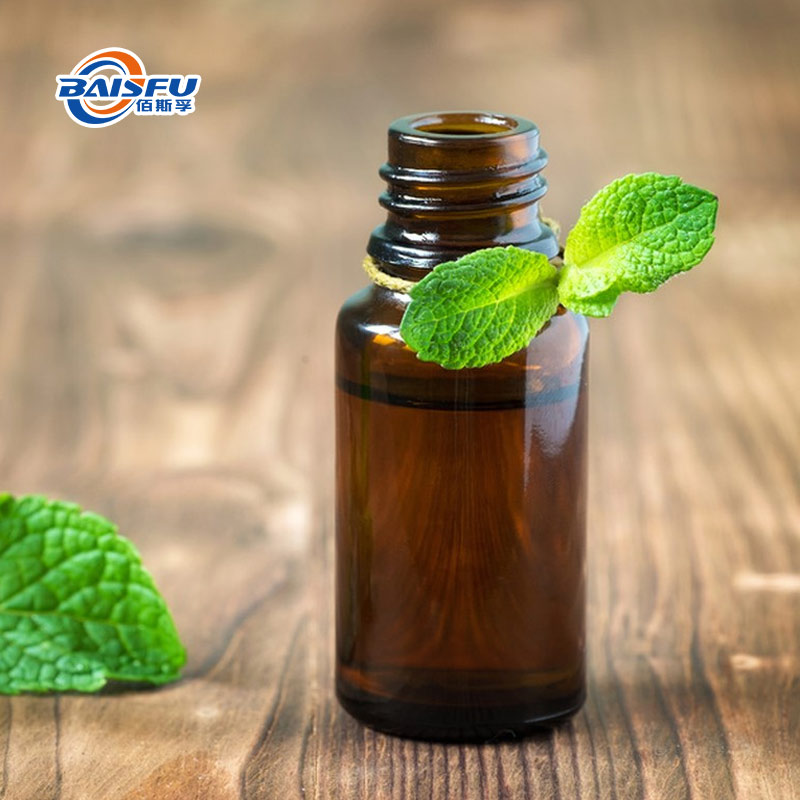
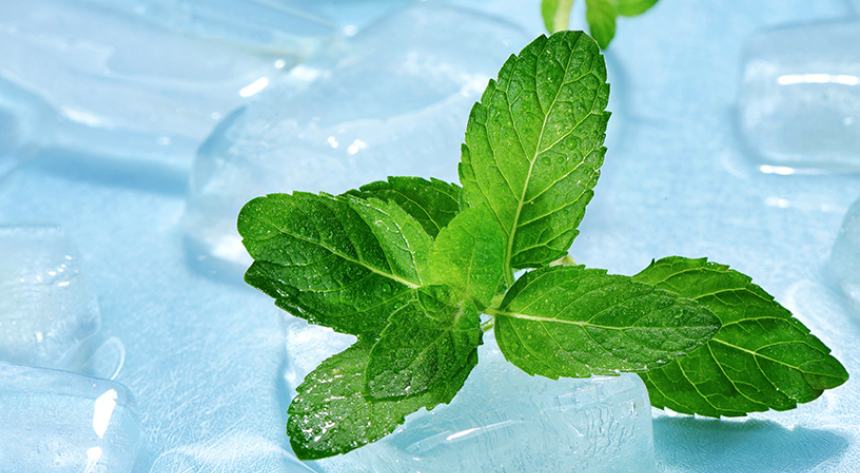
Mint flavor introduction Source: Natural peppermint extract or naturally equivalent synthetic blendAppearance: Colorless to pale yellow transparent liquid/powderSolubility: Easily soluble in ethanol and oils; water-soluble fragrances are directly soluble in water.Scent: Cool, refreshing, and crisp peppermint aroma; diffuses quickly and has a clean scent.Stability: Stable at room temperature and away from light; suitable for general…
The stability of food flavorings refers to their ability to maintain their aroma, composition, and quality without significant deterioration (volatilization, decomposition, discoloration, or off-flavor) during storage, processing, and shelf life. This is crucial for the proper use of flavorings.
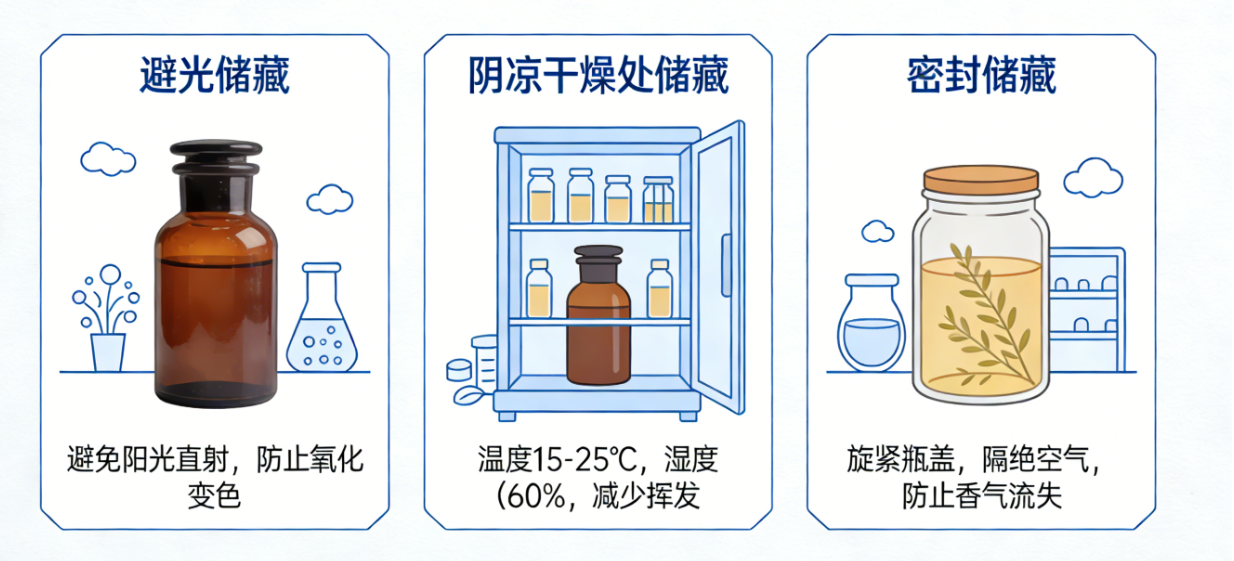
The types of fragrance storage are mainly classified according to the physical form of the fragrance, packaging materials, and storage conditions. Different types of fragrances have significant differences in storage methods, with the core objective being to prevent volatilization, oxidation, and deterioration of the fragrance, and to maintain its aroma stability.

Food flavorings primarily come from three main categories, encompassing natural extraction, artificial synthesis, and a combination of both processes, as follows:

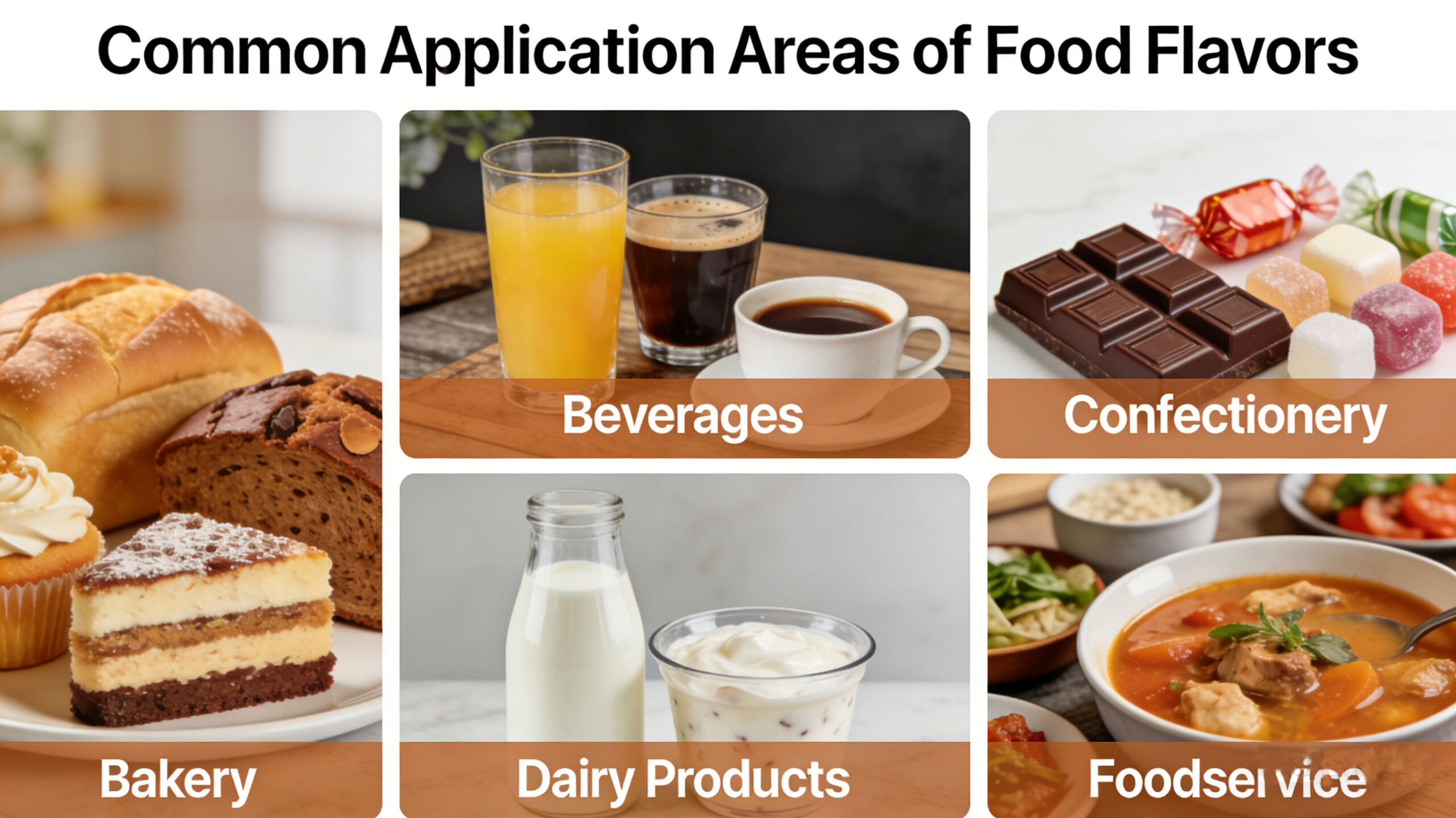
Food flavors are important additives in the food industry. When used appropriately, they offer numerous benefits to food products, primarily in enhancing flavor, compensating for processing losses, and meeting diverse consumer demands.

In the modern food industry, food flavorings act like an invisible “seasoning master,” quietly infusing our daily diets with rich flavors. They are substances with specific aromas or flavors, made from natural and synthetic flavorings through scientific formulation. They can both restore the original taste of ingredients and create novel textures, becoming an indispensable link in the food industry chain.

Food flavors, as an important component of the modern food industry, are special substances that impart or enhance the flavor of food.

The stability and safety of food flavors are not mutually exclusive. They can be balanced through scientific design and strict control, and there is no inherent conflict. This can be understood from the following three perspectives:
Flavors and fragrances refer to substances with inherent aromatic properties. Most pastries and biscuits use spices and flavors to improve or enhance their aroma and flavor.
The safety of cooling agents requires a comprehensive assessment based on ingredient type, dosage, regulatory compliance, and individual differences. Overall, they are safe for most healthy individuals under standardized use. This can be analyzed from the following